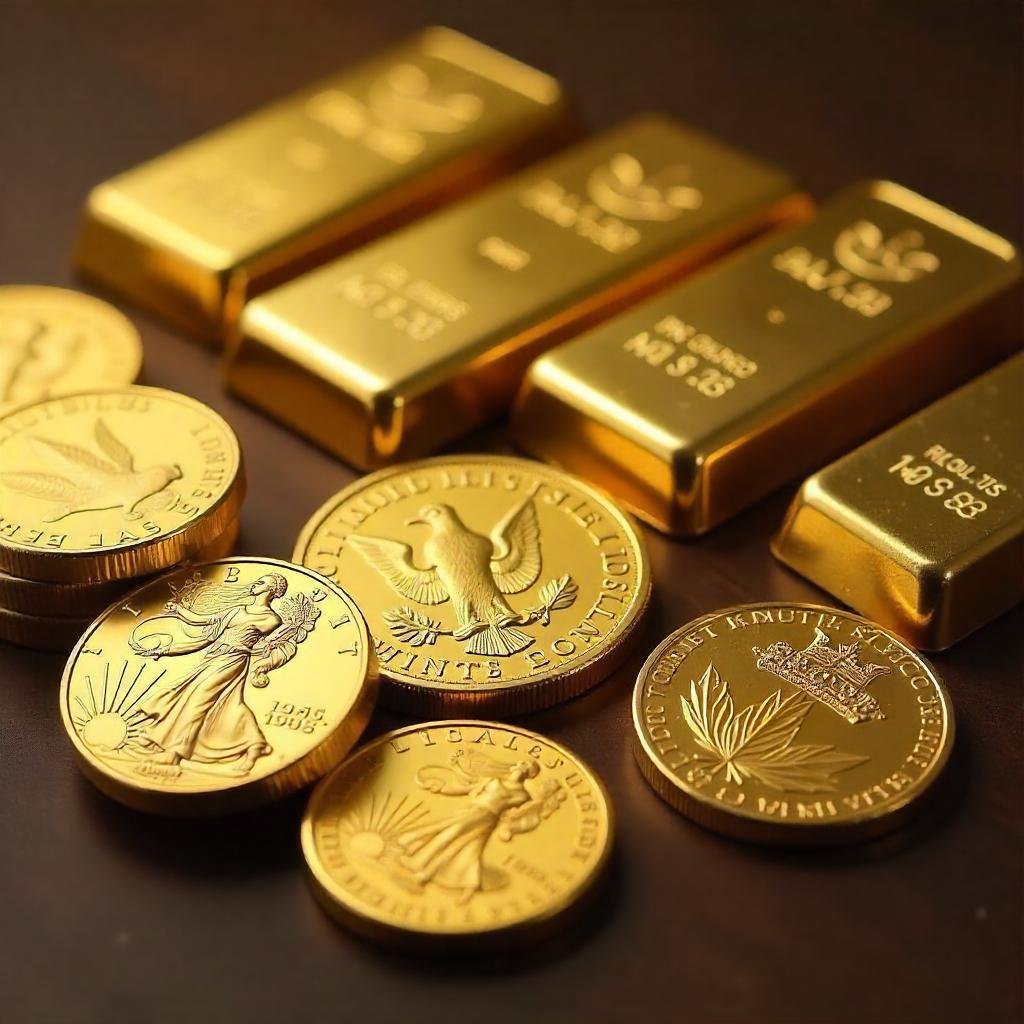
When you look up the price of gold, you’ll typically encounter the “spot price.” This is the real-time market price of one troy ounce of pure gold, usually quoted in U.S. dollars. However, when you buy or sell physical gold, the price you pay or receive will differ from this spot price. This difference is primarily attributed to Gold premiums and spreads.
What is a Premium in Gold?
A premium is the amount added to the spot price of gold when you purchase a physical gold product. It’s the additional cost you pay above the raw material value of the gold itself.
Imagine buying a beautifully crafted piece of jewelry. You’re not just paying for the gold; you’re also paying for the design, the labor to create it, and the brand’s reputation.
Similarly, with physical gold, the premium covers various costs incurred by the refiner, the mint, and the dealer.
The spread, also known as the bid-ask spread, is the difference between the price at which a dealer sells you gold (the “ask” price) and the price at which they will buy it back from you (the “bid” price). This gap represents the dealer’s gross profit on a round-trip transaction.
- Ask Price: The retail price you pay (Spot + Premium).
- Bid Price: The price the dealer pays you to buy back your gold.
The spread is why the selling price is almost always lower than the initial purchase price, even if the spot price remains unchanged. It is the built-in cost of the transaction.

Decoding the Genesis and Calculation of Premiums and Spreads
Premiums and spreads aren’t arbitrary figures; they are influenced by a multitude of factors, reflecting the underlying economics of the gold market.
Why Premiums and Spreads Exist: The Driving Factors
Premiums and spreads aren’t arbitrary. Several key elements contribute to their existence and magnitude.
- Fabrication and Manufacturing Costs: Transforming raw gold into bars, coins, or other products involves significant processes like refining, minting, and assaying. These industrial costs are naturally passed on to the buyer as part of the premium.
- Logistics and Storage: Transporting gold securely, insuring it, and storing it in vaults incurs expenses. These operational costs are factored into the premium.
- Dealer Overheads and Profit Margins: Gold dealers operate businesses with expenses like staff salaries, rent, security, and marketing. The spread allows them to cover these overheads and generate a profit.
- Supply and Demand: During periods of high demand, such as economic uncertainty, dealers face higher acquisition costs and increased customer interest. This “flight to safety” causes both premiums and spreads to widen. Conversely, when demand is low, dealers may lower premiums to attract buyers.
- Product Type and Rarity: Gold bars, especially larger ones, have lower fabrication costs per ounce and thus carry lower premiums. Certain gold products, especially collectible coins with historical significance or limited mintage, command higher premiums due to their numismatic value and rarity, beyond their melt value.
- Market Volatility: To protect against rapid price swings, dealers often widen their spreads in a volatile market when buying and selling.
- Order Size: Buying in bulk very likely reduces the premium per ounce. That’s because the cost to process one 10-ounce bar is much lower than processing ten 1-ounce bars, and this efficiency is passed on to the buyer.
- Currency Fluctuations: When acquiring gold internationally, the exchange rate between the local currency and the currency in which gold is priced (typically USD) can indirectly influence the premium. A fluctuating exchange rate alters the cost to acquire gold’s spot price in the local currency, which can impact the overall premium.
How are Premiums and Spreads Calculated?
While the exact calculation can vary slightly between dealers, the fundamental principles remain consistent:
- Premium Calculation: The premium is typically expressed as a percentage of the spot price or a fixed dollar amount per ounce.
- Example: If the spot price of gold is $2,300 per ounce, and a gold coin has a 5% premium, the premium would be $2,300 * 0.05 = $115. The total purchase price would then be $2,300 (spot) + $115 (premium) = $2,415.
- Spread Calculation: The spread is the difference between the dealer’s ask price (what they sell for) and their bid price (what they buy for).
- Example: If a dealer sells an ounce of gold for $2,415 (ask price) and buys it back for $2,370 (bid price), the spread is $2,415 – $2,370 = $45. This $45 represents the dealer’s gross profit on a round-trip transaction.
It’s important to note that premiums and spreads are not fixed percentages across the board. They fluctuate based on the factors previously mentioned and can vary significantly from one dealer to another, and even for different products from the same dealer.
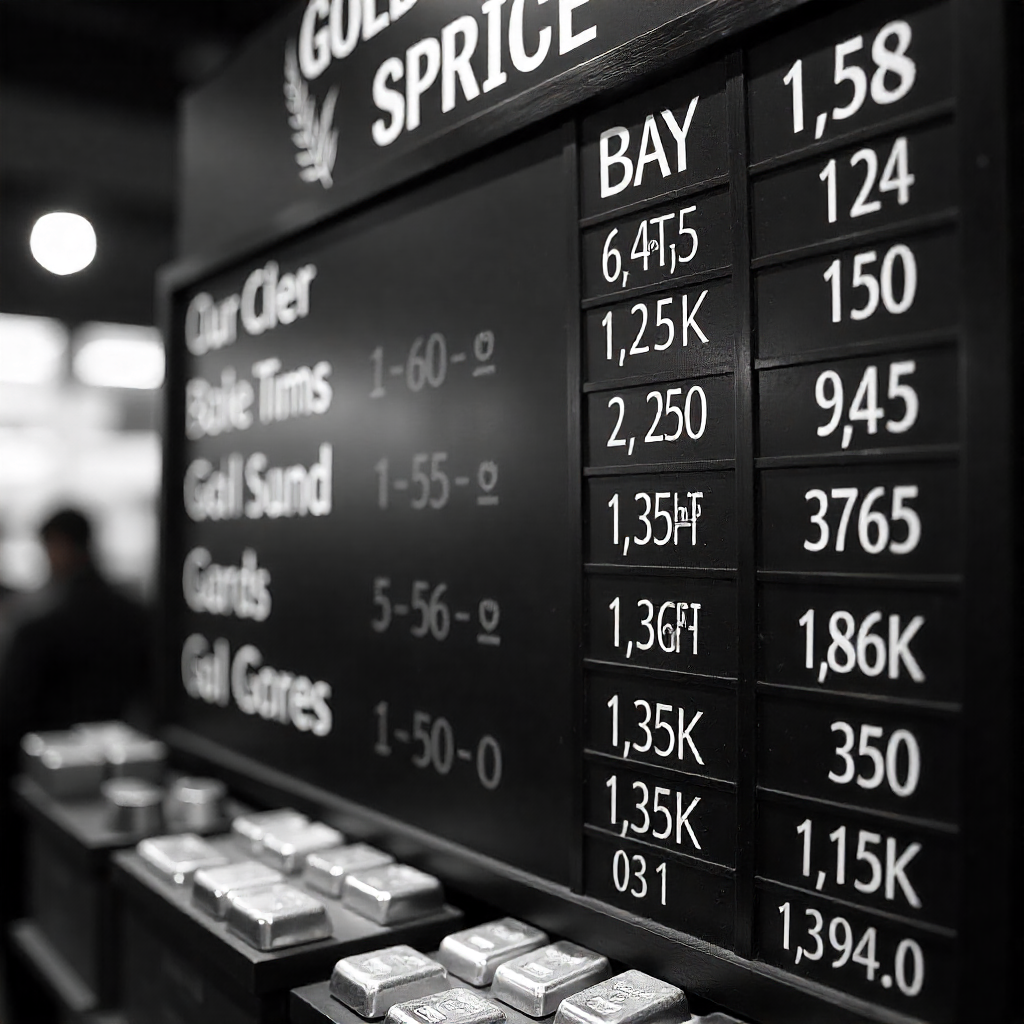
The Indispensable Role of Premium and Spread in Gold Investment
Understanding Gold premiums and spreads is essential for making informed investment decisions and optimizing returns in the gold market.
Why Consider Premiums and Spreads?
The price you pay for gold is not just the spot price. Ignoring premiums and spreads means you’re overlooking a significant portion of the actual transaction cost.
- True Cost of Acquisition: The premium directly impacts the total amount needed to invest to acquire physical gold. A higher premium means that more is paid for the same amount of gold content.
- Realizable Value on Sale: The spread determines the reduction in the amount received when gold is sold compared to the current spot price. Consequently, a wider spread results in a larger immediate loss upon liquidation.
- Investment Horizon and Break-Even Point: To break even on a gold investment (meaning to reach the point where there is no net loss or gain), the gold’s appreciation needs to be enough to cover both the initial premium paid and the spread (the difference between the buying and selling price). High premiums and wide spreads can make it difficult for short-term investors to turn a profit.
Concrete Advantages of Gold Premium and Spread Awareness
Beyond theoretical understanding of Gold premiums and spreads, concrete advantages emerge when investors actively incorporate premium and spread analysis into their gold buying and selling strategies.
Advantages Across Gold Product Types
- Gold Bars and Ingots: These typically have the lowest premiums among physical gold products. Their value is almost entirely tied to their gold content, making them attractive for investors whose main goal is to reflect the spot price. By comparing premiums across different refiners and dealers for the same weight bar, investors can secure the most cost-effective entry point.
- Gold Coins: Premiums on gold coins can vary significantly. Common bullion coins like the American Gold Eagle or Canadian Gold Maple Leaf generally have lower premiums than rare or proof coins (Rare coins are valuable for their scarcity, while proof coins are valuable for their exceptional, specially-produced quality).
- Example: An investor looking for liquidity and low premiums would lean towards a common bullion coin. A collector, however, might pay a substantial premium for a specific historical coin due to its rarity and potential for appreciation beyond its gold content. Understanding this distinction is crucial for aligning purchases with individual investment objectives.
How to Ascertain Gold Premium and Spread Before Purchase
- Direct Inquiry with Dealers: The most straightforward way is to ask the gold dealer directly. Reputable dealers will be transparent about their pricing structure, including the premium charged and their bid-ask spread.
- Online Dealer Websites: Many online gold retailers display their ask prices (including premium) directly on their product pages. To estimate the premium, you can compare their listed price to the current spot price. For the spread, some websites will also show their buy-back price (bid price).
- Comparison Websites/Tools: A few financial websites and gold investment platforms offer tools that allow you to compare prices (and implicit premiums/spreads) from various dealers. This could enable effective comparison of options to get the best deal.
Why Investors Accept to Pay Premiums for Certain Gold Products
Investors often pay premiums for specific gold products even when they could acquire raw gold at a lower premium through other means. This choice is driven by various factors:
- Liquidity and Recognition: Globally recognized coins like the American Gold Eagle, Canadian Gold Maple Leaf, or South African Krugerrand are highly liquid and easily verifiable. Their widespread acceptance means they can be bought and sold quickly and easily in most markets, justifying a slightly higher premium.
- Security and Authenticity: Reputable mints and refiners provide products with verifiable purity and weight, often with security features that reduce the risk of counterfeiting. The premium reflects the trust and assurance of authenticity.
- Divisibility and Practicality: Smaller gold coins and bars offer greater divisibility, making them easier to sell in smaller increments if needed. While a 1-kilogram bar has a lower percentage premium, it’s not practical for small transactions.
- Collectibility and Numismatic Value: As discussed earlier, certain coins possess historical or artistic value that transcends their gold content. Collectors are willing to pay significant premiums for these unique pieces, viewing them as both gold investments and collectible assets.
- Example: A pre-1933 U.S. gold coin may command a notable premium due to its historical significance and rarity. Some collectors appreciate these kind of coins for their unique attributes beyond its melt value (the gold they contain). In contrast, an investor primarily interested in gold’s intrinsic value would likely find this extra cost too high and would prefer modern bullion (newer gold bars or coins).

The Dynamics of Gold Premium and Spread Fluctuations
Premiums and spreads are not static; they are influenced by market dynamics and economic conditions, leading to fluctuations that impact buying and selling prices. Just as certain factors drive premiums and spreads up, others can cause them to decrease, bringing the physical gold price closer to the spot price.
Factors Driving Premiums and Spreads Up
- High Physical Gold Demand: When there’s a surge in demand for physical gold (e.g., during economic uncertainty, geopolitical instability, or fear of inflation), premiums can rise significantly as refiners and dealers struggle to keep up with orders.
- Supply Chain Disruptions: Issues in gold mining, refining, or transportation can limit the availability of physical gold products, driving up premiums.
- Economic Instability and “Flight to Safety”: In times of crisis, investors flock to gold as a safe-haven asset, leading to increased demand and thus higher premiums.
- Specific Product Popularity: A sudden surge in popularity for a particular coin or bar can lead to higher premiums for that specific product due to limited supply.
- Dealer Operating Costs: Increased costs for dealers (e.g., higher insurance, security, or staffing) can lead to wider spreads to maintain profit margins.
Factors Causing Premiums and Spreads to Decrease
- Low Physical Gold Demand: During periods of reduced investor interest in physical gold, dealers may lower premiums and narrow spreads to stimulate sales and liquidate inventory.
- Increased Supply: A surge in the availability of gold products (e.g., new minting runs, increased refining output) can lead to competitive pricing and lower premiums.
- Strong Economic Confidence: When investors feel confident in traditional financial markets, the demand for safe-haven assets like gold may decrease, leading to lower premiums.
- Competition Among Dealers: A highly competitive market with many gold dealers vying for business can drive down premiums and spreads as they try to offer the most attractive prices.
- Larger Quantities: As mentioned, purchasing larger quantities often results in lower percentage premiums due to economies of scale in processing.
- Example: Buying a single 1-ounce gold coin might incur a 5% premium, while buying ten 1-ounce coins from the same dealer might reduce the premium to 3.5% per coin. Similarly, a 1-kilogram gold bar will almost always have a significantly lower percentage premium than a single 1-ounce coin, as the fabrication costs per unit of gold are much lower for larger bars.
The precise reduction in premium, however, will depend on the individual dealer.

Why The Selling Price of Gold Can Be Lower Than the Purchase Price
The fundamental reason the price at which gold is bought by a dealer is lower than the price at which they sell it is the spread. This spread accounts for the dealer’s operational costs and profit margin.
- Simplified Example: Imagine a small gold shop. They buy a 1-ounce gold coin from you at $2,370. They then turn around and sell the same coin to another customer for $2,415. The $45 difference is their gross profit. This profit covers their rent, employees’ salaries, security, and other business expenses, plus a net profit. If they didn’t have this margin, they wouldn’t be able to stay in business. Therefore, it’s virtually impossible to sell gold for the same price you bought it for, or even at the current spot price, due to this inherent transaction cost.
Do Premiums and Spreads Vary Between Sellers?
Absolutely. Premiums and spreads can vary significantly between sellers due to factors such as:
- Operating Costs: Different dealers have different overheads (and profit targets.
- Business Model and Inventory Levels: a dealer’s specific operational scale and inventory management significantly impact their pricing. For example, larger dealers with higher sales volumes can often absorb smaller margins on individual transactions, leading to tighter spreads and lower premiums for customers. Conversely, smaller dealers or those with more specialized inventory might need to charge higher premiums to cover their unique operating costs and narrower customer base.
- Customer Relationships: Some dealers may offer better terms to loyal or high-volume customers.
Who Fixes the Premium and the Spread?
Premiums and spreads are not “fixed” by a single entity. Instead, they are determined by the interplay of various market forces and the individual business decisions of refiners, mints, and gold dealers:
- Refiners and Mints: They set the initial fabrication and production costs, which form the base of the premium.
- Wholesale Dealers: They add their margins for distribution, storage, and bulk sales.
- Retail Dealers: They add their own operating costs, profit margins, and factor in current supply and demand for specific products.
- Market Dynamics: Ultimately, the forces of supply and demand in the physical gold market, coupled with competition among sellers, play the largest role in determining the final premiums and spreads offered to consumers. Dealers adjust their prices based on what the market will bear and what their competitors are offering.
Premiums and spreads are inherent to gold transactions, representing essential costs rather than barriers to investment. Understanding Gold premiums and spreads drivers and impact on overall value helps buyers become more informed participants in the gold market. Considering these costs, evaluating various options, and selecting products that align with financial objectives are essential for navigating gold acquisition effectively. This systematic approach supports a more effective engagement with gold as an asset.