Gold has been highly valued since ancient civilizations, continues to hold a unique and pivotal position in the global economy. Far from being a mere relic of the past, its enduring value and unique market behavior make understanding its supply and demand dynamics crucial for anyone seeking to grasp its significance. This matters to everyone, from experienced investors to those just curious about it. This article will meticulously explore the multifaceted forces that shape the gold market, revealing intrinsec principles and special traits that make it unique.
The Enduring Allure: Gold’s Role in the Global Economy
For millennia, gold has been synonymous with wealth, stability, and prestige. Its journey from a medium of exchange to a global reserve asset underscores its unparalleled importance. In the modern economic landscape, gold serves multiple critical functions:
- A Safe-Haven Asset: During times of economic uncertainty, geopolitical instability, or market volatility, investors often flock to gold as a store of value, preserving capital against inflation or currency devaluation. This “flight to safety” reflects a deep-seated trust in gold’s ability to maintain its purchasing power when traditional assets falter.
- Monetary Reserve: Central banks worldwide hold substantial gold reserves as a hedge against financial shocks and to diversify their foreign exchange holdings. This institutional demand highlights gold’s role as a fundamental pillar of global financial stability.
- Industrial and Cultural Utility: Beyond its monetary role, gold is also highly valued in jewelry, technology, and dentistry, showcasing its diverse practical applications and cultural significance.
Understanding these foundational roles is crucial because it reveals why the intricate interplay of gold’s supply and demand isn’t merely theoretical. Instead, it’s a vital lens for gauging global economic health and investor sentiment.
Economic Bedrock: The Principles of Supply and Demand
Fundamentally, the price of any good or asset in a free market is determined by the fundamental economic principles of supply and demand. Gold, despite its distinctive qualities, is no exception to these universal laws.
- Supply: This refers to the total quantity of a good or service that producers are willing and able to offer for sale at various price points within a given period. Generally, as the price of a good increases, suppliers are incentivized to produce more, leading to a higher quantity supplied.
- Demand: This represents the total quantity of a good or service that consumers are willing and able to purchase at various price points within a given period. Typically, as the price of a good decreases, consumers are willing to buy more, leading to a higher quantity demanded.
The intersection of the supply and demand curves dictates the equilibrium price and equilibrium quantity in a market. When demand exceeds supply, prices tend to rise; conversely, when supply outstrips demand, prices tend to fall. This constant push and pull forms the bedrock of price discovery.
Deciphering the Unique Dynamics of Gold
While adhering to basic economic principles, gold’s supply and demand dynamics possess characteristics that distinguish them from many other commodities or financial assets. This complexity arises from its dual nature as both a commodity and a monetary asset, coupled with the unique aspects of its extraction and utilization.
The “supply and demand dynamics of gold” refer to the continuous, often subtle, shifts in the availability of gold (supply) and the desire for gold (demand) by various market participants, which collectively determine its market price. These dynamics are shaped by a confluence of economic, geopolitical, psychological, and technological factors.
For instance, unlike a perishable commodity where supply is largely driven by fresh and therefore new production, a significant portion of gold’s supply comes from existing stockpiles and recycling, introducing a unique elasticity. Similarly, demand for gold isn’t solely based on industrial consumption but heavily influenced by investment sentiment and central bank policies, which can react sharply to global events.
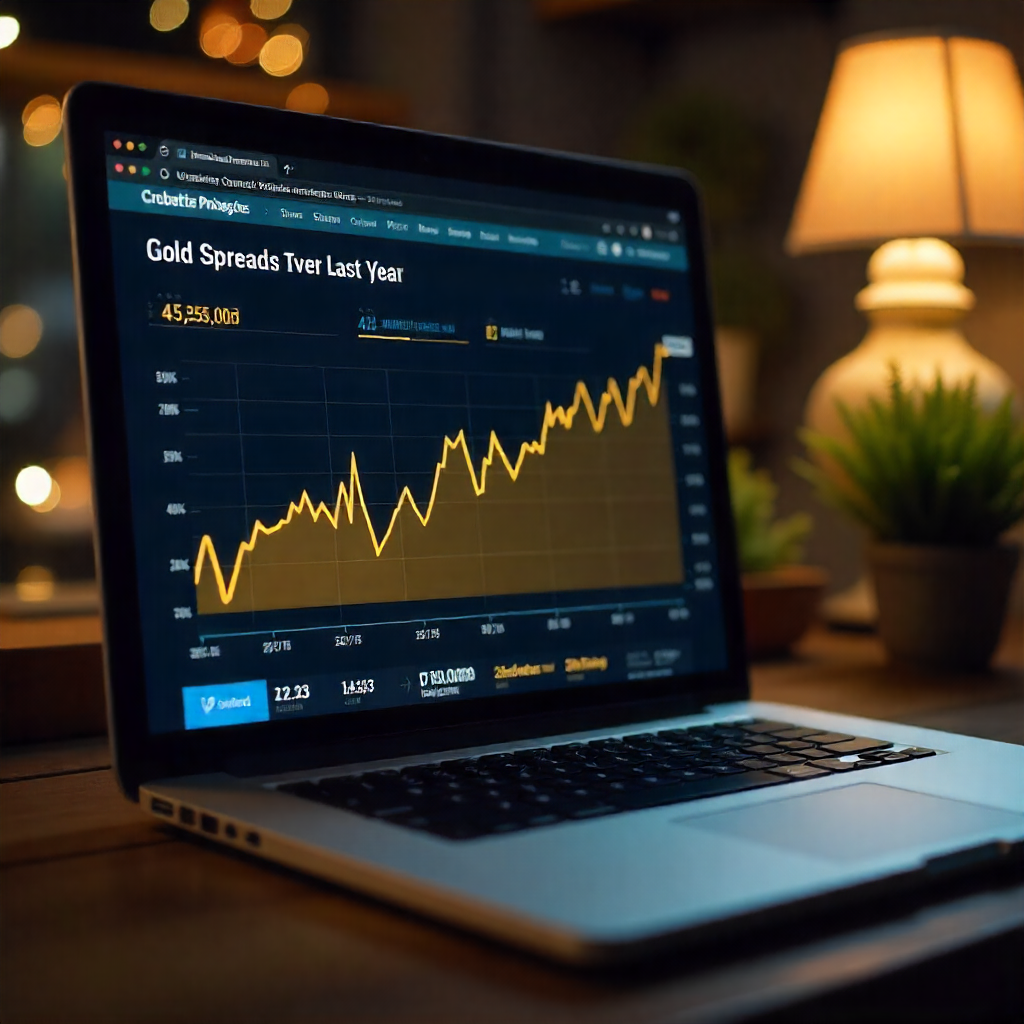
The Landscape of Gold: Current Supply and Demand
Understanding the current landscape of gold’s supply and demand requires examining both its sources and its applications. Data from reputable organizations like the World Gold Council provides valuable insights into these flows.
Gold Supply: A Dual Tap
Global gold supply is primarily sourced from two main channels:
- Mine Production (Newly Mined Gold): This represents gold extracted directly from the earth. While new discoveries and technological advancements can influence output, mine production is relatively inelastic (supply shows little sensitivity to price fluctuations) in the short term, as bringing a new mine into operation can take years.
- Recycled Gold (Old Gold Supply): This encompasses gold recovered from jewelry, industrial scrap, and investment products. The volume of recycled gold tends to be more responsive to price movements: when prices are high, more people are incentivized to sell their old gold, increasing supply.
According to the World Gold Council’s Gold Demand Trends, Q1 2025 report (released on April 30, 2025), global gold supply reached approximately 1,206 tonnes. Of this, mine production accounted for roughly 856 tonnes, while recycled gold contributed around 345 tonnes.
This demonstrates the significant contribution of recycled gold to the overall supply, acting as an important balancing factor, especially during periods of high demand or constrained mine output. When prices are low, recycling tends to decrease as the incentive to sell diminishes, thus naturally reducing the overall supply and potentially supporting prices (meaning it helps prevent further price declines or encourages a rebound due to to less gold entering the market). Conversely, when gold prices climb steeply, more people are incentivized to sell their old gold (like jewelry or coins). This influx of recycled gold adds a significant amount of supply back into the market, which then helps to prevent prices from jumping too dramatically.


Gold Demand: A Diverse Spectrum
Gold demand is categorized into several key sectors, each driven by distinct motivations:
Jewelry: This is historically the largest component of gold demand, particularly strong in emerging markets, where gold jewelry often serves as a form of investment and cultural tradition. In Q1 2025, jewelry demand stood at approximately 380 tonnes, a notable decrease from Q1 2024 (approximately 512 tonnes). This decline was largely impacted by the record-high gold prices, which led to lower volumes of purchases despite an increase in consumer spending in value terms. Gold’s ductility, malleability, and resistance to tarnish continue to make it ideal for intricate designs.
Investment: This category includes demand for gold bars, coins, and gold-backed exchange-traded funds (ETFs). Investors in this category are generally motivated by capital preservation, wealth accumulation, inflation hedging, and safe-haven seeking. This segment is highly sensitive to macroeconomic indicators, interest rates, and geopolitical events.
- Bars and Coins: These are tangible forms of gold investment. In Q1 2025, bar and coin demand was around 325 tonnes. This demand often surges during periods of economic uncertainty or currency depreciation, as individuals seek direct ownership of physical gold.
- ETFs: Gold-backed ETFs allow investors to gain exposure to gold prices without physically holding the metal (however, reputable gold-backed ETFs are structured to hold actual, physical gold). These instruments have significantly democratized gold investment. ETF demand saw a significant turnaround in Q1 2025, with net inflows of approximately 226 tonnes, a stark contrast to the outflows seen in Q1 2024 (approximately 114 tonnes). This resurgence was fueled by factors such as price momentum and global uncertainty related to tariff policies and recessionary fears.
- Central Banks: As mentioned earlier, central banks purchase gold for reserve diversification and financial stability. Their demand is strategic and long-term, often reacting to global currency dynamics and economic outlooks. Central bank net purchases were remarkably strong in Q1 2025, reaching 244 tonnes, continuing a trend of robust official sector buying, though slightly lower than the exceptionally high Q1 2024 (290 tonnes).
- Technology (Industrial Fabrication): Gold’s unique properties, such as high conductivity, corrosion resistance, and malleability, make it indispensable in various high-tech applications. This includes electronics (e.g., in smartphones, computers), dentistry, and medical applications. This sector represents a smaller but consistent portion of demand. In Q1 2025, technology demand was stable at approximately 80 tonnes. Gold’s use in printed circuit boards ensures reliable electrical connections, while in dentistry, its biocompatibility and durability are highly valued for fillings and crowns. Growth in electronics was slightly positive due to continued AI adoption (AI systems’ advanced hardware – processors, memory chips, sensors – heavily relies on gold) and new product launches.

The Power of Investment Demand
Investment demand plays a particularly influential role in gold’s price dynamics due to its ability to expand and contract rapidly in response to market sentiment. Unlike the relatively stable demands from the jewelry or industrial sectors, investment demand for gold can swing dramatically and rapidly, often acting as a primary driver of price volatility.
The overall investment demand, encompassing bars, coins, and ETFs, is a significant component of total demand. While specific figures fluctuate quarterly, global investment demand can account for anywhere from 20% to over 50% of total gold demand, depending on market conditions. For example, in periods of heightened economic stress or inflation fears, investment demand for gold can spike, as seen during the 2008 financial crisis or the initial phases of the COVID-19 pandemic. Conversely, during periods of sustained economic growth and rising interest rates, investment demand may soften as other assets become more appealing.
How Supply and Demand Set Gold’s Price
The price of gold, often quoted in U.S. dollars per troy ounce, is a dynamic reflection of the ongoing battle between buyers and sellers. When market participants collectively perceive a higher value for gold (increased demand) relative to its availability (supply), the price ascends. Conversely, if supply outpaces demand, the price tends to decline.
Consider a scenario where global geopolitical tensions escalate. Investors, seeking safety, might simultaneously decide to convert other assets into gold. This surge in investment demand rapidly shifts the demand curve to the right, pushing the equilibrium price higher. On the supply side, if a major gold-producing nation faces prolonged mining disruptions, the freshly mined supply decreases, shifting the supply curve to the left and also contributing to upward price pressure.
Conversely, during periods of strong economic growth and stable inflation, the perceived need for gold as a safe haven might diminish. Investors might reallocate funds to higher-yielding assets like stocks, leading to a decrease in investment demand and, consequently, a downward pressure on gold prices. The price mechanism, therefore, acts as a continuous feedback loop, adjusting to balance the forces of buying and selling pressure.
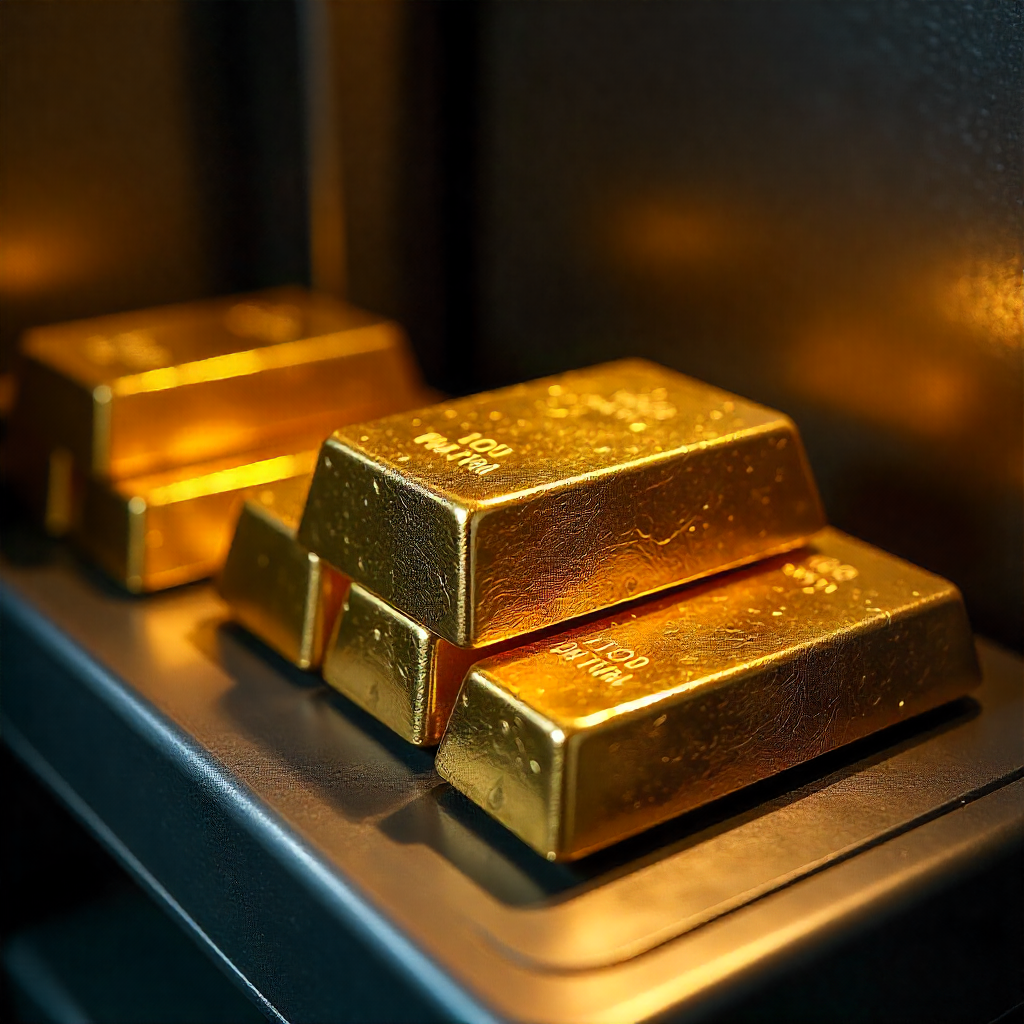
Why the Gold Market Behaves Differently
Gold’s market behavior is often characterized as being “special” due to several factors that differentiate its supply and demand from those of other assets:
- Above-Ground Stocks: A vast amount of gold ever mined still exists in above-ground stockpiles. Unlike consumed commodities (e.g., oil, agricultural products), gold is rarely consumed or destroyed. This means that recycled gold, often from jewelry or old electronics, represents a significant and flexible component of total supply, able to react relatively quickly to price changes. This contrasts sharply with assets where new production is almost the sole driver of supply.
- Sentiment and Perception: Gold’s value is heavily influenced by market sentiment, fear, and confidence. Its role as a hedge against inflation or a safe haven during crises means its demand can surge or recede based on psychological factors and macroeconomic expectations, rather than being driven purely by industrial utility or corporate earnings.
- Lack of Yield: Unlike bonds or dividend-paying stocks, gold does not offer a yield or recurring income. This makes its opportunity cost – the return foregone from holding other assets – a critical factor for investors. When the returns offered by other investments, particularly real returns, rise, holding gold becomes comparatively less attractive, impacting demand.
- Central Bank Influence: Central banks act as major players; their buying or selling decisions are driven by monetary policy, reserve diversification, and macroeconomic outlook, rather than by profit motives. Their large-scale operations can significantly affect demand.
This unique combination of characteristics has profound implications for investors. It means that gold prices are not solely dictated by industrial output or consumption patterns but are heavily sensitive to global macroeconomic shifts, interest rate environments, geopolitical events, and investor psychology. For investors, understanding these nuances is critical for risk management and portfolio diversification. Gold often moves inversely to other asset classes, offering a potential hedge during market downturns. This does not prevent its price from being volatile and challenging to forecast using only traditional supply-demand models.
What Makes Gold Supply and Demand Fluctuate?
Numerous factors contribute to the constant ebb and flow, rise and fall of gold’s supply and demand:
- Economic Growth and Stability: Strong economic growth typically reduces safe-haven demand for gold, as investors are more willing to embrace riskier assets. Conversely, economic slowdowns or recessions tend to boost gold demand.
- Inflationary Expectations: Gold is widely considered a hedge against inflation. When inflation expectations rise, investors often buy gold to preserve their purchasing power, increasing demand.
- Interest Rates: As a non-yielding asset (with no recurring income), gold’s attractiveness is inversely related to real interest rates (nominal interest rates adjusted for inflation). Higher real interest rates, those earned from holding other assets like bonds, savings accounts, or dividend-paying stocks, make holding gold less appealing, which can then lower investment demand.
- Currency Strength (especially USD): Gold is typically priced in U.S. dollars. A stronger dollar makes gold more expensive for holders of other currencies, potentially dampening demand. Conversely, a weaker dollar makes gold cheaper, often stimulating demand.
- Geopolitical Events: Wars, political instability, trade disputes, and other global crises often trigger a flight to safety, significantly increasing gold’s investment demand.
- Central Bank Policies: Decisions by central banks to buy or sell gold, or changes in their monetary policies (e.g., quantitative easing or tightening), can have a substantial impact on gold demand and price.
- Mining Costs and Production: Fluctuations in mining costs, new discoveries, and regulatory changes can affect the supply of newly mined gold.
- Recycling Incentives: As noted, high gold prices incentivize more recycling, increasing supply, while lower prices reduce this incentive.

For an investor, comprehending these dynamics is paramount for several reasons:
- Risk Management and Diversification: Understanding how gold reacts to different economic and geopolitical scenarios allows investors to use it effectively as a portfolio diversifier, potentially mitigating losses in other asset classes during downturns. For example, an investor anticipating high inflation might increase their gold allocation to protect purchasing power.
- Informed Decision-Making: Knowledge of these drivers enables investors to make more informed decisions about when to buy or sell gold, rather than reacting impulsively to market noise. If, for example, a central bank signals a strong rate-hiking cycle (when a central bank repeatedly raises interest rates), an investor might anticipate a short-term headwind, a temporary obstacle for gold and adjust their position accordingly.
- Identifying Opportunities: By analyzing the underlying supply and demand fundamentals, investors can better identify potential price trends and capitalize on opportunities. For instance, a persistent increase in central bank demand combined with constrained mine supply could signal a bullish outlook for gold.
Of course, for some or most investments, it’s crucial to ensure you have proper training in financial markets, an advanced understanding of investment strategies, or to consult a trustworthy investment professional if you are unsure of what you are doing or wish to do.
God supply and demand: Key Concepts for a Comprehensive Understanding
Beyond the direct supply and demand factors, several other key concepts enrich the understanding of gold’s market:
- Correlation with Other Assets: Gold often exhibits an inverse correlation with equities and a positive correlation with inflation and market volatility. This characteristic is a cornerstone of its role as a diversifier.
- Futures Market and Speculation: The gold futures market plays a significant role in price discovery, allowing participants to speculate on future price movements. Large speculative positions can amplify price swings.
- Leasing and Lending: Gold can be leased or lent by institutions, affecting its effective supply in the market and potentially influencing short-term price dynamics.
- Technological Advancements in Mining: Innovations in mining techniques can reduce extraction costs and increase output, impacting the profitability of mines and overall supply.
- Environmental, Social, and Governance (ESG) Factors: Growing investor awareness of ESG issues can influence demand for responsibly sourced gold, potentially impacting specific segments of the supply chain.
To truly grasp gold’s supply and demand dynamics, and appreciate its unique and enduring role in the global financial landscape, one must piece together its fundamental economic principles, nuanced market behaviors, and various influencing factors. This comprehensive understanding can then be highly actionable.